Tailor-made ski holidays in Val d’Isère
Legendary skiing, genuine Alpine atmosphere. Tell us who is coming, your ski level, dates and budget, and we will build the right stay for you.
Val d’Isère & Tignes
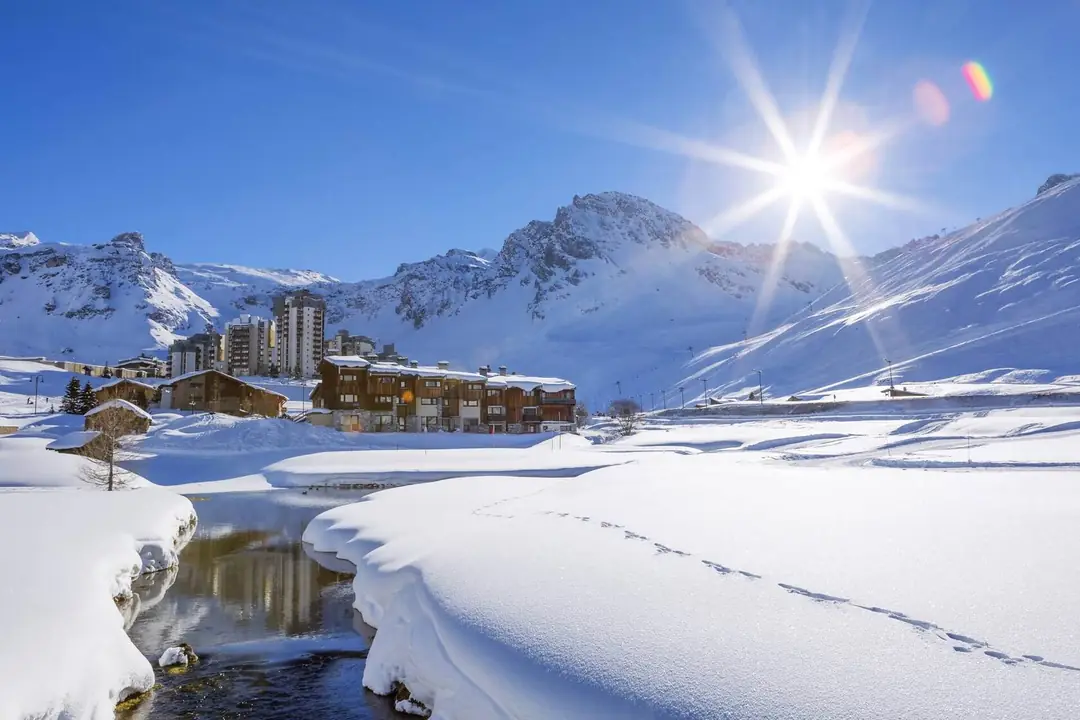
Val d’Isère is an iconic high-altitude resort in the French Alps, renowned for its vast ski area, reliable snow and authentic village atmosphere.
Whether you are planning a family ski holiday or a trip with experienced skiers, AlpAway finds the right accommodation and services for your group.
Plan my stayWhat could your Val d’Isère holiday look like?
Skiing
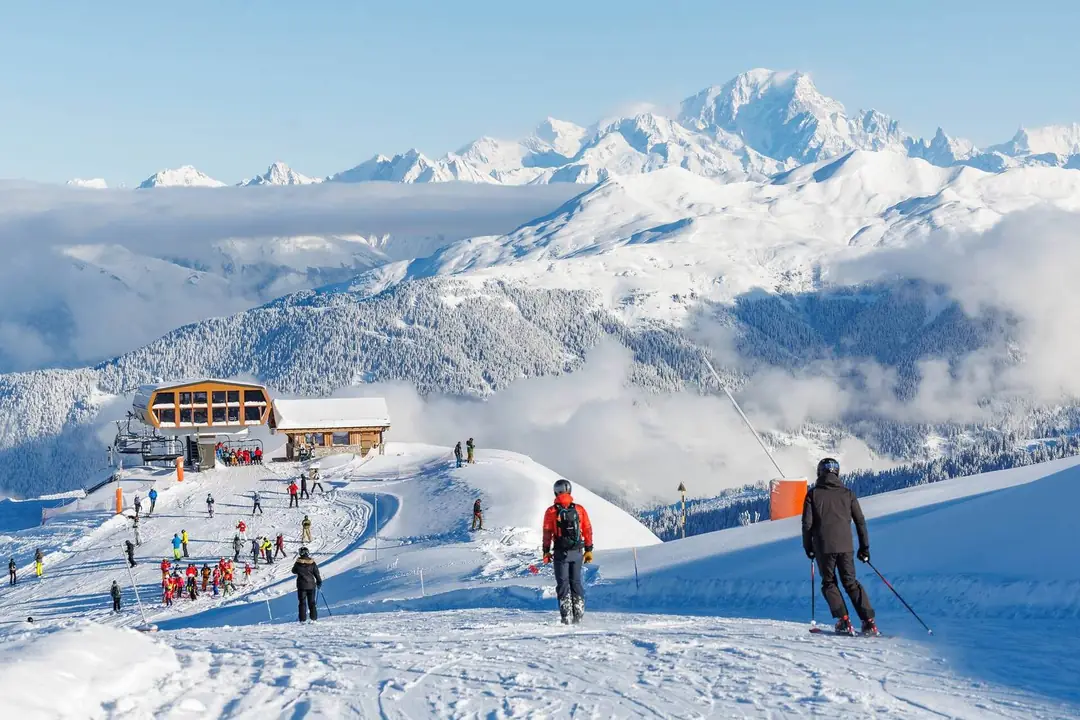
A world-class ski area for every level, from wide groomed pistes to challenging off-piste.
Family & experiences
Ski schools, activities and family-friendly services.
Après-ski & village
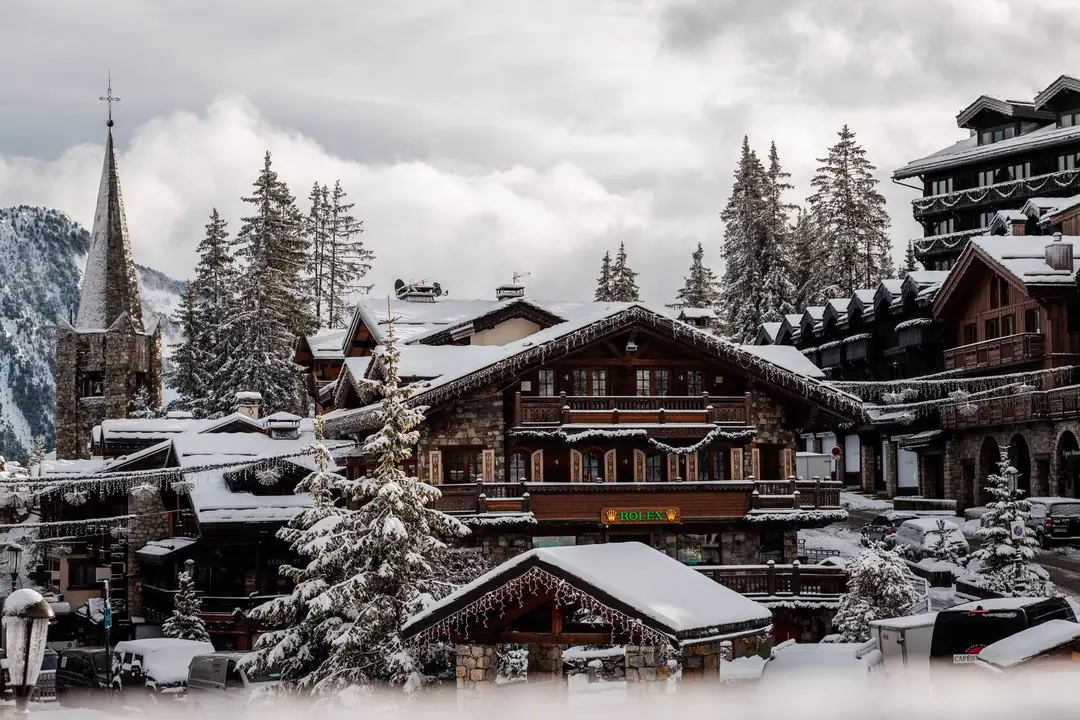
Restaurants, bars and boutiques in a lively Alpine village after a day on the slopes.
Wellness & relaxation
Pools, wellness and indoor activities at the aquasport centre.
Val d’Isère: everything to know before you book
Skiing and snowboarding in Val d’Isère
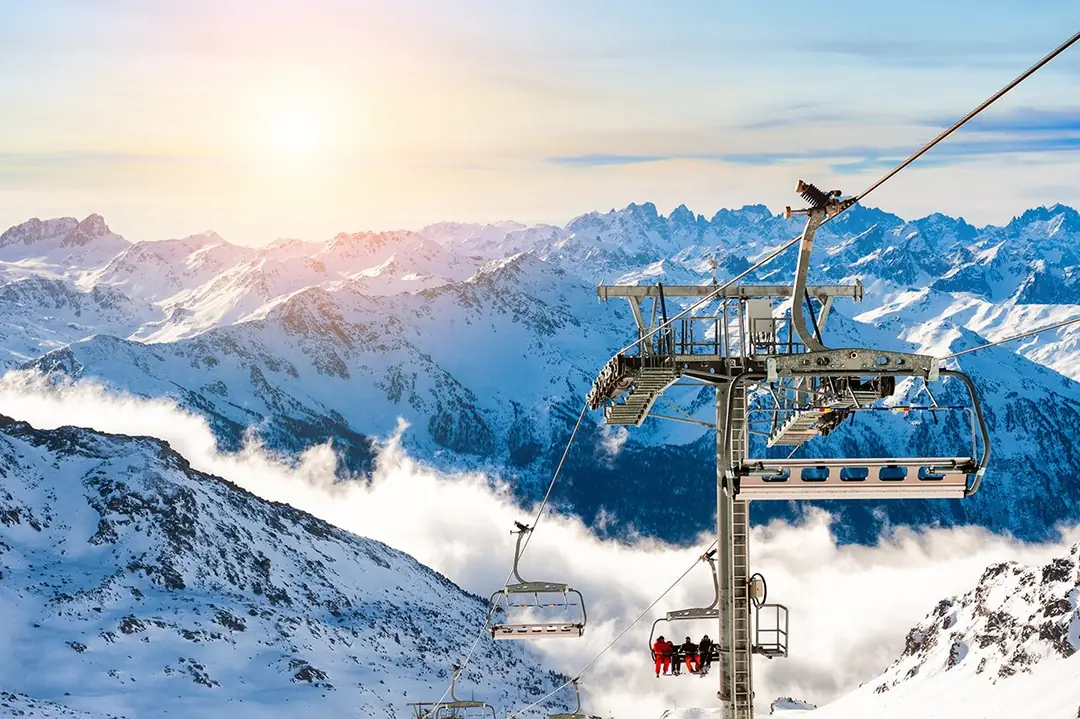
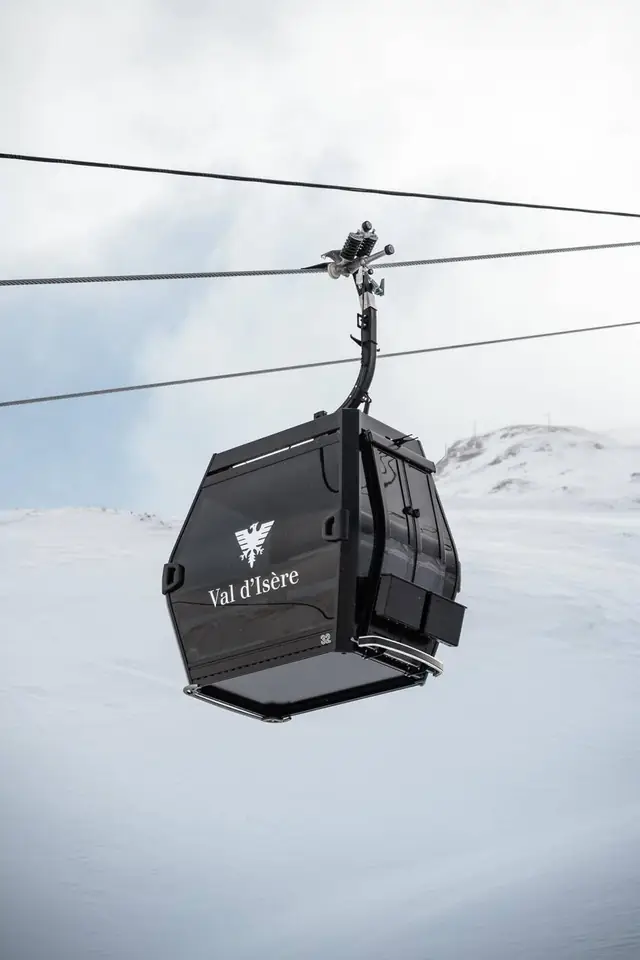
Val d’Isère shares one of the great linked ski areas of the Alps with its neighbour Tignes: about 300 km of marked pistes between 1,550 m and 3,456 m, an area long known as the Espace Killy after local champion Jean-Claude Killy. On the Val d’Isère side the skiing falls into three main sectors: Solaise, rising straight above the village; Bellevarde, reached by gondola from the centre or by funicular from La Daille; and Le Fornet, where lifts climb towards the Pisaillas glacier and the resort’s highest lift-served point at about 3,200 m.
The resort’s reputation rests on its demanding terrain. The Face de Bellevarde hosted the men’s downhill at the 1992 Albertville Olympics, Val d’Isère staged the 2009 World Championships, and World Cup races are regularly held here in early December. Off-piste is a major draw and should always be skied with a qualified guide or instructor. Intermediates have plenty of long cruising runs too.
Val d’Isère for families and beginners
Val d’Isère is not only for experts. A high-altitude beginner area on Solaise, reached by gondola from the heart of the village, has gentle slopes served by covered magic carpets, so first-timers learn where the snow is usually at its best. Several beginner lifts at the foot of the slopes, in the village and at La Daille, are free, which makes the first days simpler and cheaper.
Lessons for children and adults are offered by the ESF and several independent ski schools, with English-speaking instructors widely available. Once confidence grows, Bellevarde and Le Fornet have wide green and blue pistes to progress on. Families looking for a calmer base often choose La Daille or Le Fornet, both linked to the centre by free shuttle buses.
Where to stay in Val d’Isère
The resort stretches for several kilometres along the valley. The village centre, around the old church and the main street, puts you close to the Solaise and Bellevarde gondolas, shops and restaurants, and suits those who like to walk everywhere. La Daille, at the entrance to the resort, sits at the foot of the Bellevarde funicular and is popular for apartments close to the slopes. Le Fornet, further up the valley, is a small traditional hamlet with its own cable car and a quiet atmosphere.
Accommodation ranges from apartments to catered chalets and hotels. Ski-in/ski-out options exist in each area, but the distance to the nearest lift varies a lot, so check before you book. A free shuttle network, including the frequent “Train Rouge” line, links the hamlets throughout the day, so you rarely need a car.
Getting to Val d’Isère
The nearest train station is Bourg-Saint-Maurice, 30 km away and about 40 minutes by bus or taxi. It is served by TGV trains from Paris and, on winter weekends, by Eurostar Snow trains from London with one change in Lille. By road, Chambéry airport is about 2 hours away and Geneva and Lyon about 3 hours, depending on traffic and snow; Saturday changeover days are often slower.
In winter there is only one way in, up the Tarentaise valley from Bourg-Saint-Maurice, as the Col de l’Iseran is closed from autumn until early summer. From 1 November to 31 March, French mountain rules require winter tyres or snow chains carried in the car.
Beyond the slopes in Val d’Isère
Val d’Isère has kept a real village around its church, with stone-and-wood buildings, independent shops and a wide range of restaurants, from mountain huts to fine dining. Après-ski runs from quiet bars to lively venues at the foot of the slopes, and the village stays busy in the evening.
For a rest day, the Centre Aquasportif has swimming pools, a wellness area and indoor sports facilities. Snowshoe outings, winter walks and trips to Tignes, where you can try ice diving under the frozen lake, add variety for non-skiers and mixed groups.
When to go to Val d’Isère
Thanks to its altitude, Val d’Isère has one of the longest seasons in the French Alps, usually from late November to early May. December and January are often cold and quieter outside the festive weeks. February is the busiest period because of French and UK school holidays, so book early. March brings longer, sunnier days on a well-established snow base, and April is usually still good higher up, with softer spring snow lower down.
Your Val d’Isère holiday with AlpAway
AlpAway can put together your whole stay: accommodation in the part of the resort that suits you, lift passes, equipment rental, lessons and transfers from the airport or Bourg-Saint-Maurice station. If you would like to compare it with Tignes or another high resort such as Val Thorens, just send us your dates, group and level and we will come back with a tailored proposal.
Your questions about Val d’Isère
Is Val d’Isère good for beginners?
Yes, more than its reputation suggests. A high-altitude beginner area on Solaise, reached by gondola from the village centre, has gentle slopes and covered magic carpets, and several beginner lifts at the foot of the slopes are free. Once you are confident, Bellevarde and Le Fornet have wide green and blue runs to progress on.
Is Val d’Isère good for families?
It works well for families who are happy with a lively, sizeable resort. The ESF and independent ski schools run children’s lessons, the free shuttles make getting around easy, and La Daille or Le Fornet offer a calmer base.
How do I get from Geneva to Val d’Isère?
Val d’Isère is about 220 km from Geneva, which usually means around 3 hours by road, depending on traffic and snow. Shared shuttles and private transfers run all winter. You can also take the train to Bourg-Saint-Maurice, then a bus or taxi for the last 40 minutes.
Can I get to Val d’Isère by train from the UK?
Yes. On winter weekends, Eurostar Snow trains run from London to Bourg-Saint-Maurice with one change in Lille, and there are TGV connections via Paris all season. From the station, Val d’Isère is about 40 minutes by bus or taxi.
Is the snow reliable in Val d’Isère?
Val d’Isère is one of the more snow-sure resorts in the Alps: the village sits at 1,850 m, its own lifts reach about 3,200 m and the shared ski area tops out at 3,456 m on the Grande Motte. Conditions still vary from one winter to the next.
Val d’Isère or Tignes: which should I choose?
Both share the same 300 km ski area, so the choice is mostly about atmosphere. Val d’Isère is a long, traditional-looking village with plenty of restaurants and a lively après-ski, while Tignes sits higher, around a lake, with more modern slope-side accommodation.
Which part of Val d’Isère is best to stay in?
The village centre is best if you want shops, restaurants and the main gondolas on your doorstep. La Daille is practical for quick access to Bellevarde by funicular, and Le Fornet suits those who prefer a quiet, traditional hamlet. All three are linked by free shuttles.
Is there a swimming pool in Val d’Isère?
Yes, the Centre Aquasportif in the village has swimming pools, a wellness area and sports facilities open to visitors. Some residences and hotels also have their own pools, so it is worth asking when you book.
Your Val d’Isère holiday, designed around you.
Share your dates, your group and your wishes. We reply with a free, personalised proposal.